

Delivery Timing Factors

Exploring the variables that influence delivery times and how operations adapt to changing conditions

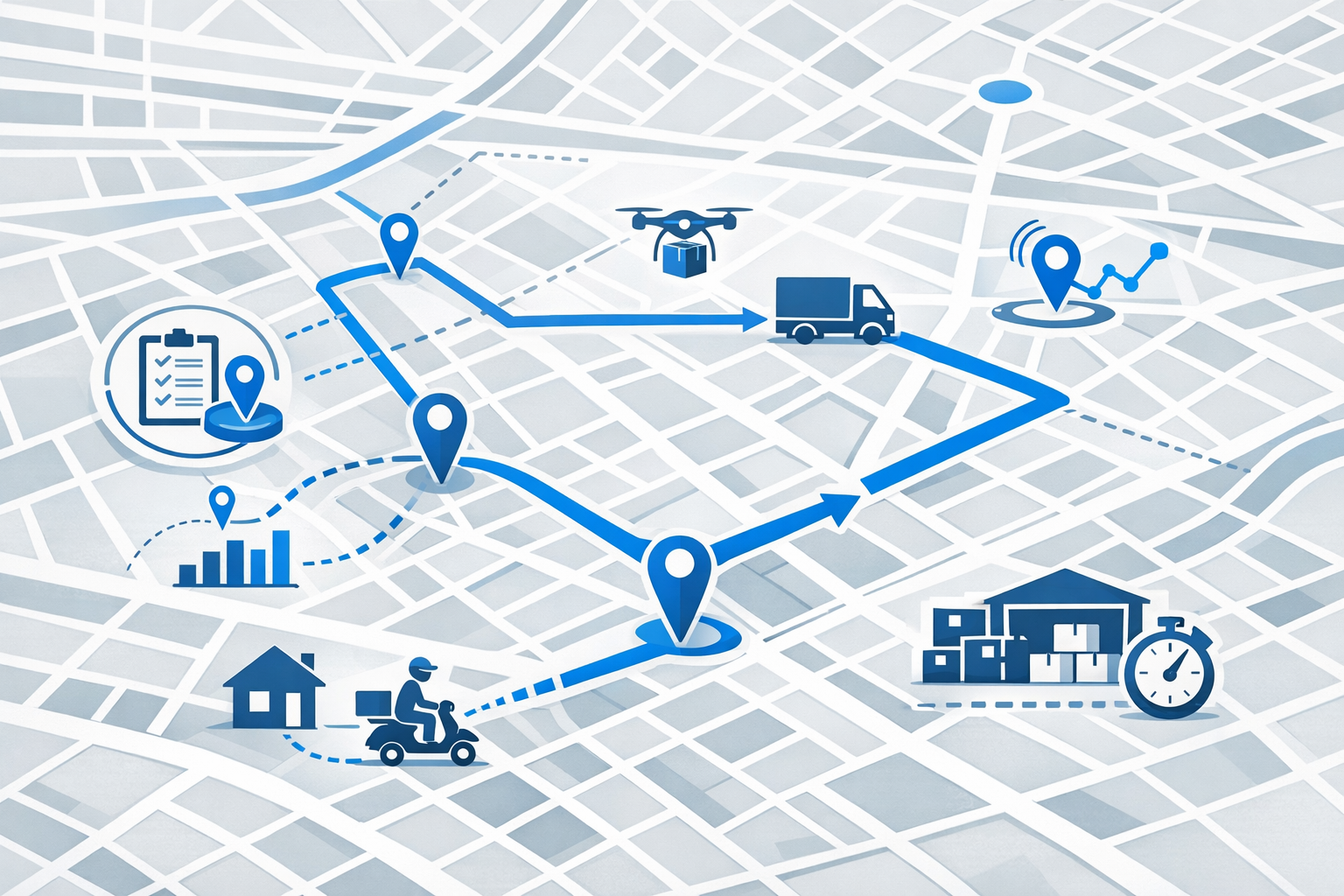
Navigation and timing visualization

Understanding Delivery Time Variability

Delivery timing is influenced by numerous interconnected factors that can change rapidly and unpredictably. Understanding these variables helps explain why delivery estimates are approximate and how operations work to maintain reliability despite changing conditions.

Urban delivery environment Traffic patterns

Distance and Geographic Factors

πŸ“

Physical Distance

The straight-line distance between preparation location and delivery address provides a baseline for delivery time estimates. However, actual travel distance often exceeds this measurement due to road layouts, traffic patterns, and required routes.
πŸ›£οΈ

Road Infrastructure

Road quality, speed limits, and traffic control devices significantly impact travel time. Areas with well-maintained highways and efficient traffic systems generally enable faster delivery compared to locations with congested streets or frequent stops.

🏒

Building Access

The time required to navigate from street level to the customer's door varies considerably based on building type, security systems, elevator availability, and parking accessibility. High-rise buildings with security checkpoints may require additional time compared to single-family residences.

πŸ—ΊοΈ

Delivery Zone Density

Areas with higher customer density allow for more efficient routing as multiple deliveries can be combined in a single trip. Conversely, deliveries to dispersed locations require more travel time between stops, affecting overall efficiency.

Traffic and Transportation Conditions

Traffic patterns represent one of the most significant and variable factors affecting delivery timing. These patterns change throughout the day and week, creating predictable cycles that operations must account for in planning.

Traffic Impact Analysis

Traffic flow visualization

Understanding traffic patterns helps optimize delivery routes and timing estimates throughout the day.

Rush Hour Patterns

Typical rush hours occur during morning and evening commute times when road congestion peaks. During these periods, travel times can increase significantly compared to off-peak hours. Delivery operations adjust staffing and routing strategies to accommodate these predictable delays.

Construction and Road Work

Ongoing construction projects, road maintenance, and infrastructure improvements can create temporary delays and route disruptions. These factors may require detours that increase travel distance and time. Operations monitor local construction schedules to anticipate and mitigate impacts.

Special Events

Sports events, concerts, festivals, and other large gatherings can dramatically affect traffic patterns in specific areas. These events may cause localized congestion that impacts delivery times for customers in affected zones. Advanced planning helps operations adjust to these temporary conditions.

Peak Demand Hours

Customer demand for delivery services follows distinct patterns that correlate with meal times and social schedules. These peak periods create operational challenges that require additional resources and strategic planning.

πŸŒ…

Lunch Peak

Midday hours, typically between 11:00 AM and 1:30 PM, experience increased demand as customers order meals for lunch breaks. This period often requires additional kitchen staff and delivery personnel to maintain service levels.

πŸŒ†

Dinner Peak

Evening hours, generally from 5:00 PM to 9:00 PM, represent the highest demand period for delivery services. This extended peak requires maximum staffing levels and careful resource allocation to manage order volume efficiently.

πŸŽ‰

Weekend and Holiday Patterns

Weekends and holidays often show different demand patterns compared to weekdays, with extended peak periods and higher overall volume. These times require adjusted staffing schedules and operational strategies to meet customer expectations.

⚑

Capacity Management

During peak periods, operations must balance order acceptance with available capacity. This may involve adjusting delivery estimates, managing customer expectations, and optimizing kitchen output to match delivery capability.

Weather Influence

Weather conditions represent an unpredictable but significant factor affecting delivery operations. Different weather types create distinct challenges that impact travel times, safety considerations, and operational procedures.

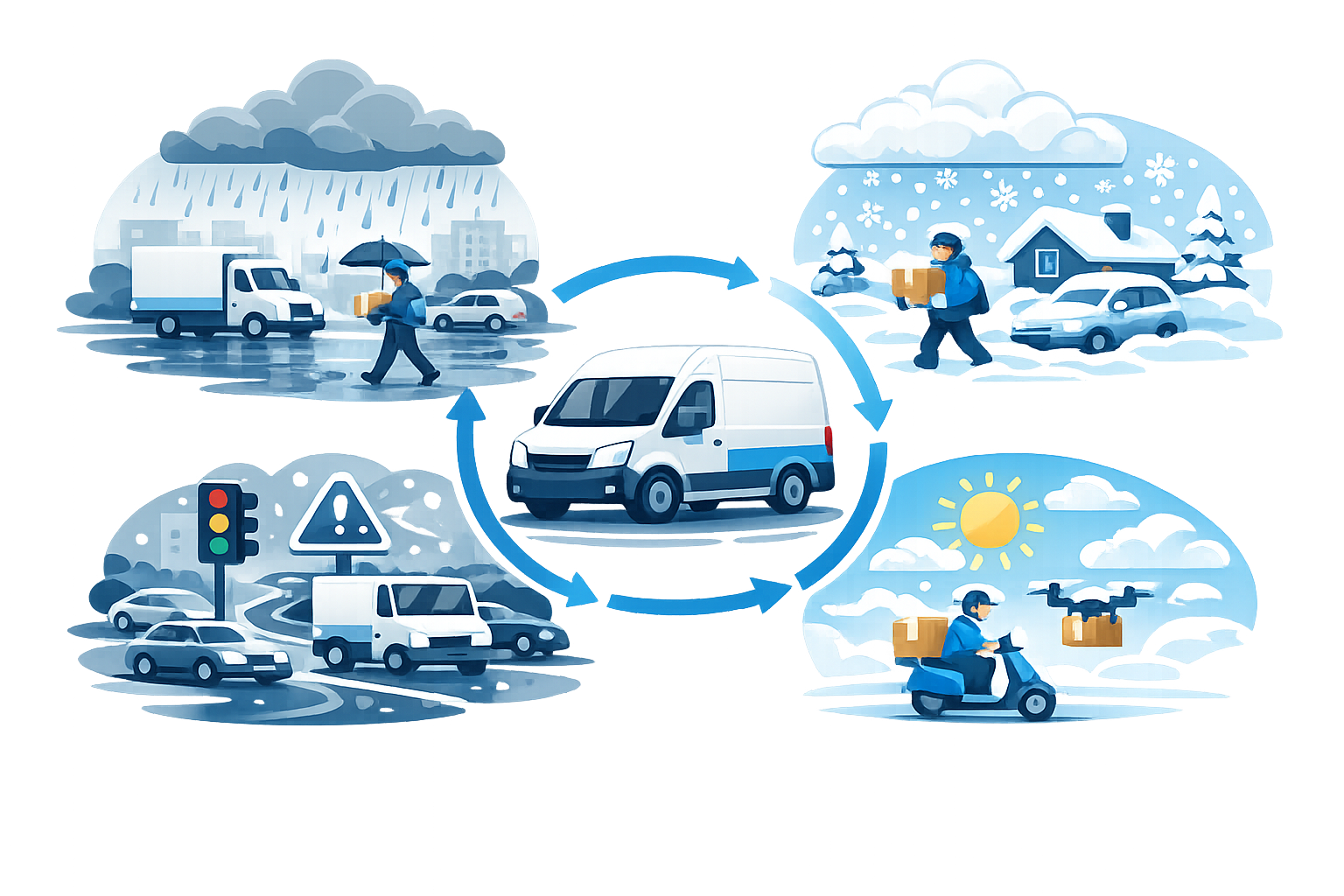
Weather conditions visualization Night delivery conditions

Precipitation Effects

Rain, snow, and other forms of precipitation reduce visibility, decrease traction, and generally slow travel speeds. Heavy precipitation may require reduced speeds for safety, extending delivery times. Operations may adjust estimates and procedures during significant precipitation events.

Temperature Extremes

Extreme heat or cold affects both delivery personnel and food quality. High temperatures require additional attention to food insulation and may affect driver comfort and efficiency. Cold conditions may impact vehicle performance and require additional time for navigation.

Wind and Storm Conditions

Strong winds and storms create hazardous conditions that may require operational adjustments. Severe weather may necessitate service suspensions or modified delivery procedures to ensure safety. Operations monitor weather forecasts to prepare for potential impacts.

Seasonal Considerations

Different seasons bring characteristic weather patterns that affect delivery operations. Winter may bring snow and ice challenges, while summer may involve heat management. Operations adapt procedures and equipment to address seasonal conditions proactively.

Operational Adaptability

Successful delivery operations maintain flexibility to adapt to changing conditions and unexpected challenges. This adaptability enables consistent service quality despite the numerous variables that can affect timing.

πŸ”„

Dynamic Routing

Modern delivery systems can adjust routes in real-time based on current conditions, traffic updates, and changing priorities. This flexibility helps maintain efficiency when unexpected delays occur.

πŸ“Š

Performance Monitoring

Continuous monitoring of delivery performance helps identify patterns and emerging issues quickly. Operations teams use this data to make informed decisions about resource allocation and process improvements.

πŸ’¬

Customer Communication

Clear communication about delays and timing adjustments helps manage customer expectations. Proactive updates when conditions change reduce frustration and maintain trust in the service.