From Kitchen to Doorstep

Understanding the complete journey of a pizza delivery order from preparation to final delivery

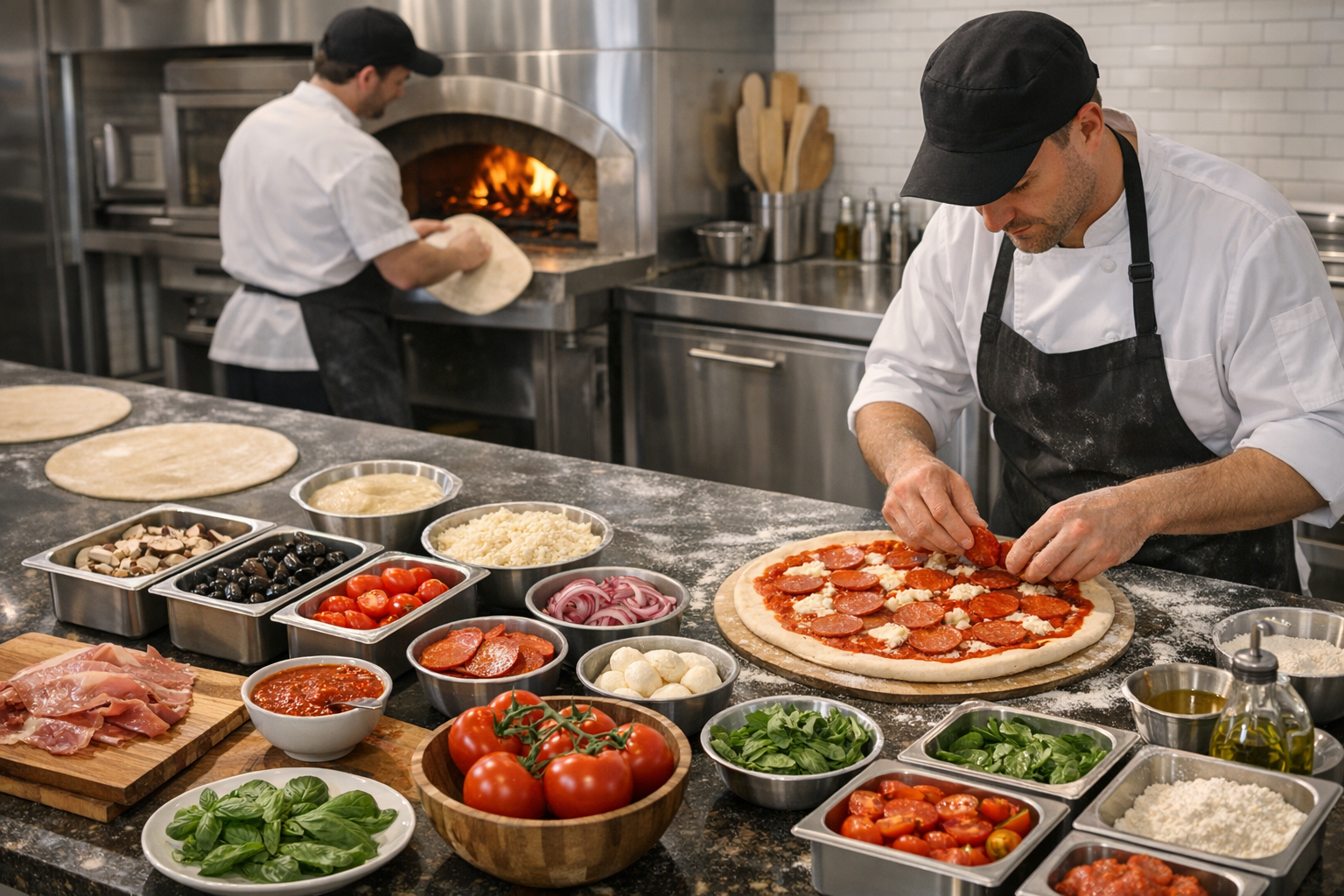
Kitchen preparation workflow

The Order Preparation Journey

The process of transforming a customer order into a delivered meal involves multiple carefully coordinated stages. Each stage requires specific attention to detail and timing to ensure the final product meets quality standards while maintaining efficient operations.

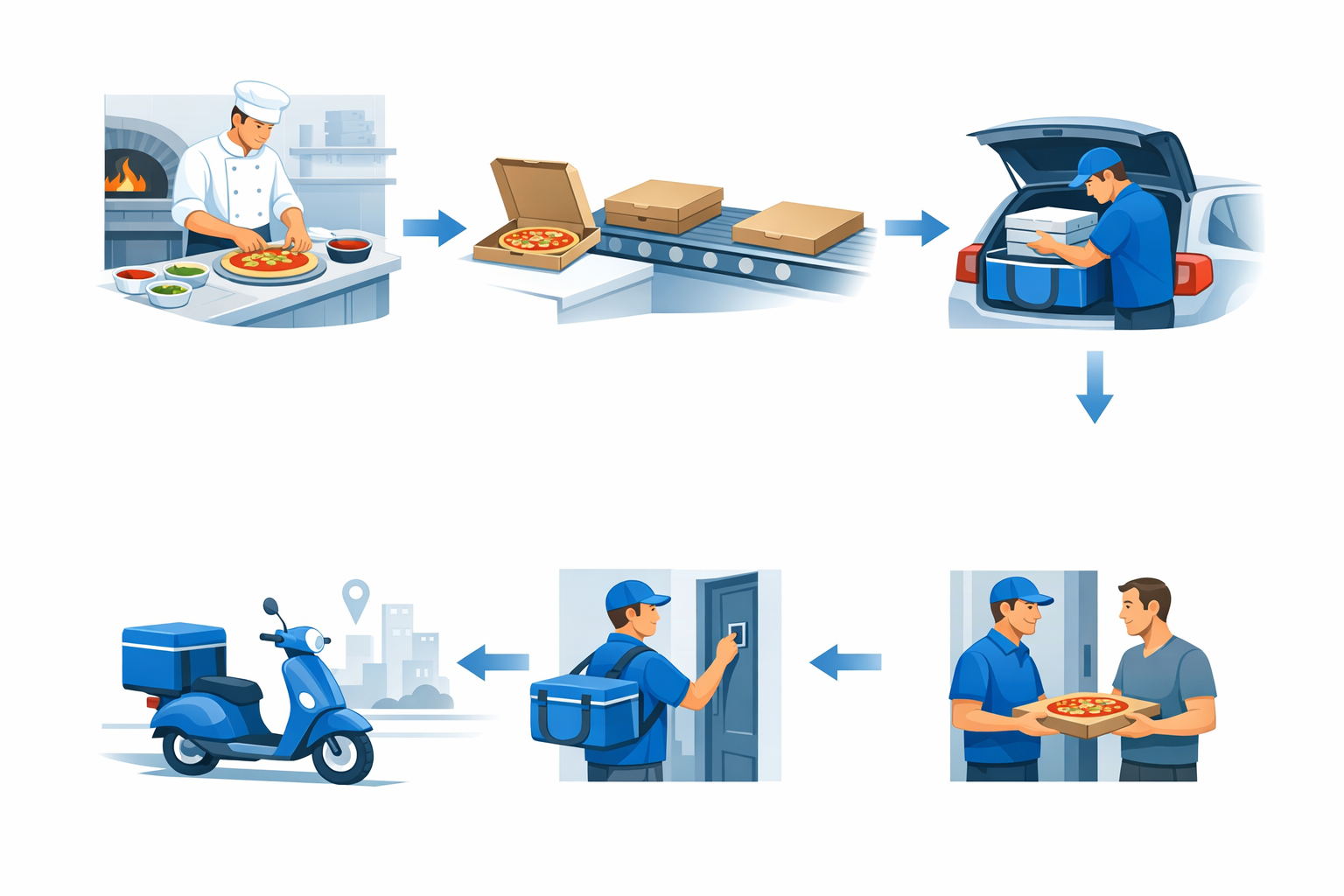
Delivery workflow visualization Packaging process

Order Preparation Stages

πŸ“‹

Order Receipt and Verification

When an order enters the system, it undergoes initial verification to ensure all details are complete and accurate. This step includes confirming menu items, special instructions, and delivery information. Clear communication at this stage prevents errors downstream.


πŸ‘¨β€πŸ³

Ingredient Preparation

Kitchen staff prepare ingredients according to standardized recipes and portion specifications. This stage involves measuring, cutting, and organizing components to ensure consistent quality and efficient assembly. Preparation stations are typically organized to minimize movement and maximize workflow.

πŸ•

Cooking and Assembly

The actual cooking process varies based on the specific items ordered but generally follows established timing protocols. Kitchen staff coordinate multiple orders simultaneously, managing oven space and cooking times to ensure all items are ready for packaging at approximately the same time.

βœ…

Quality Inspection

Before packaging, orders undergo a final quality check to verify accuracy, presentation, and temperature standards. This inspection helps identify and correct any issues before the order leaves the kitchen, reducing the likelihood of customer dissatisfaction.

Packaging Process

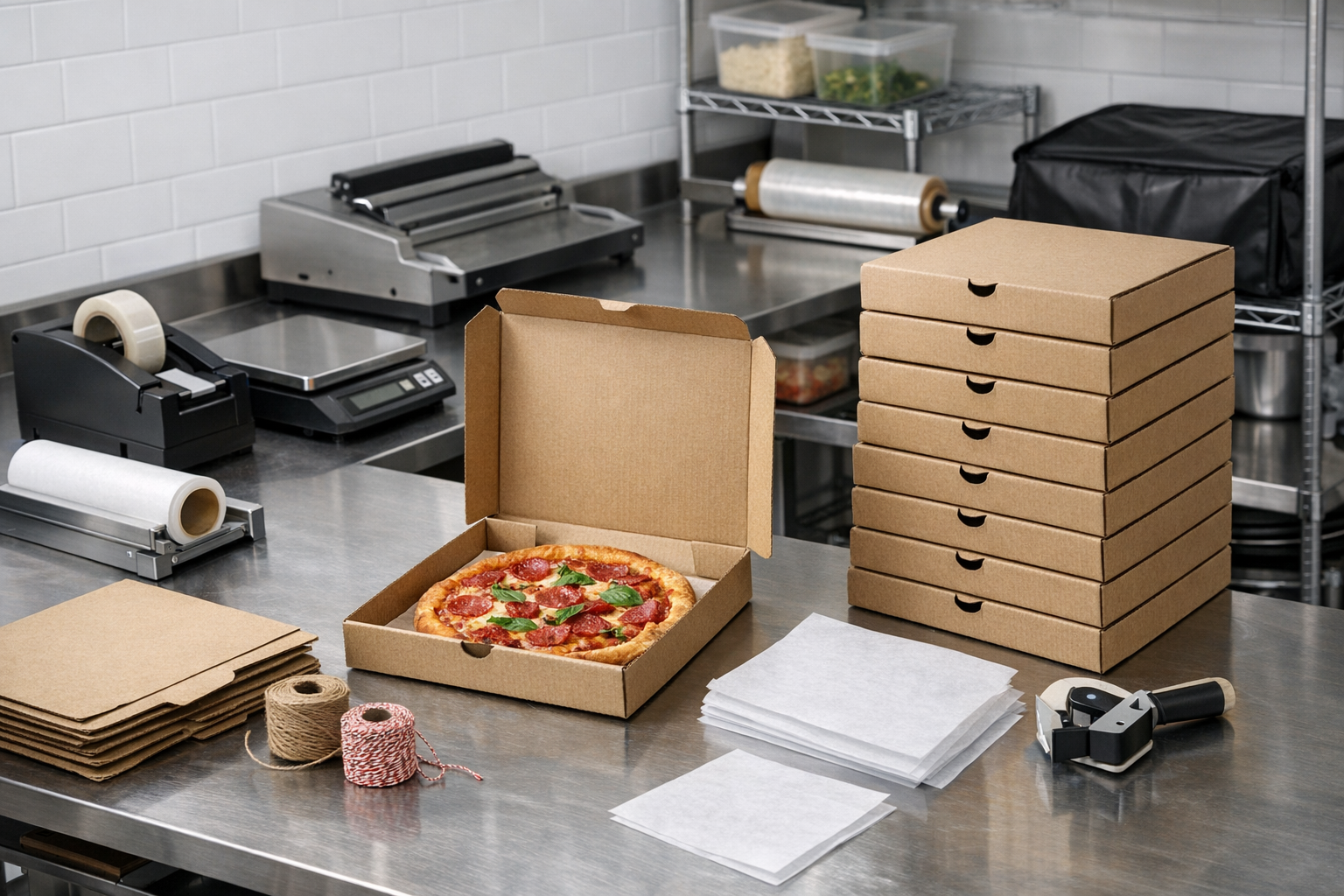
Proper packaging is essential for maintaining food quality during transport and ensuring a positive customer experience. The packaging process balances protection, insulation, and presentation considerations.

Packaging Considerations

Packaging station workflow

Effective packaging preserves temperature, prevents damage, and maintains presentation quality throughout the delivery journey.

Temperature Retention

Insulated packaging materials help maintain appropriate food temperatures during transport. Hot items require thermal protection to prevent heat loss, while cold items need insulation to maintain freshness. Packaging design considers travel time and environmental conditions.

Protection and Stability

Packaging must protect food items from movement and potential damage during transit. Secure closures, appropriate container sizes, and protective materials help ensure that items arrive in their intended condition. Special consideration is given to items that may be susceptible to shifting or spillage.

Presentation and Branding

While maintaining functional requirements, packaging also contributes to the customer experience. Clean, organized presentation reflects attention to detail and care. Packaging materials are selected to balance functionality with environmental considerations where possible.

Dispatch Process

The dispatch phase represents the transition from kitchen operations to delivery execution. This stage involves coordinating available delivery personnel with pending orders to optimize efficiency and minimize wait times.

Delivery dispatch Route planning
πŸ“±

Order Assignment

Orders are assigned to available delivery personnel based on factors including location, capacity, and current route efficiency. Dispatch systems consider multiple variables to optimize overall delivery performance rather than individual order speed.

πŸ—ΊοΈ

Route Planning

Delivery routes are planned to minimize total travel time and distance while considering traffic patterns, road conditions, and delivery sequence. Efficient routing reduces fuel consumption, wear on vehicles, and overall delivery times.

🚚

Departure Coordination

πŸ“Š

Tracking and Updates

Modern dispatch systems provide real-time tracking of delivery progress, enabling communication between kitchen staff, delivery personnel, and customers. This visibility helps manage expectations and allows for proactive problem resolution when delays occur.

Coordination Between Departments

Successful delivery operations require seamless communication and coordination between kitchen staff, dispatch personnel, and delivery drivers. Each department plays a crucial role in the overall process.

Kitchen-Dispatch Communication

Clear communication channels between kitchen and dispatch ensure that order status is accurately reflected in the system. This coordination helps dispatch personnel make informed decisions about order assignment and timing.

Driver Support

Dispatch personnel provide ongoing support to delivery drivers, including route guidance, traffic updates, and assistance with delivery issues. This support system helps drivers navigate challenges and maintain service quality.

Continuous Improvement

Operations teams regularly analyze performance data to identify opportunities for improvement in the preparation-to-delivery workflow. This analysis considers timing, accuracy, customer feedback, and operational efficiency metrics.